Chaque semaine, des voyageurs nous écrivent sur WhatsApp avec la même question : « Le Maroc est-il vraiment sûr ? » En tant que Marocains nés et élevés ici — qui guidons des touristes dans chaque coin de notre pays depuis plus d'une décennie — nous voulons vous donner la réponse authentique, sans filtre. Pas de discours d'office du tourisme, pas d'histoires effrayantes. Juste la vérité sur ce à quoi s'attendre en 2026.
La réponse courte : oui — avec un peu de vigilance
Le Maroc est l'un des pays les plus sûrs d'Afrique du Nord et se classe régulièrement parmi les destinations les plus sûres au monde. Les crimes violents contre les touristes y sont extrêmement rares. Ce que vous rencontrerez réellement — et ce que ce guide vous aide à gérer — c'est un défi différent : naviguer dans une culture touristique où les inconnus sympathiques, les vendeurs insistants et les « guides » bien intentionnés brouillent parfois la frontière entre hospitalité et arnaque.
La grande majorité des trois millions et plus de touristes qui visitent le Maroc chaque année repartent avec des souvenirs inoubliables. Avec un peu de vigilance et quelques conseils locaux, vous serez l'un d'entre eux.
Nous avons nommé notre entreprise SafeMoroccoTours pour une raison. Nous avons constaté de nos propres yeux à quel point un voyage est meilleur lorsqu'un voyageur est accompagné d'un local de confiance. C'est toute notre philosophie — pas de peur, mais une véritable hospitalité.
La sécurité au Maroc en chiffres
Regardons les vraies données plutôt que les anecdotes et les titres tapageurs. Le Global Peace Index classe le Maroc comme le pays le plus pacifique d'Afrique du Nord, et les recommandations voyage des principaux gouvernements occidentaux (Département d'État américain, FCDO britannique, Canada, Australie, France) classent toutes actuellement le Maroc à leur niveau de vigilance touristique standard — au même rang que la plupart de l'Europe.
La petite délinquance — pickpockets et arrachages de sac dans les souks bondés — existe, comme dans toute grande destination touristique de Rome à Barcelone. Mais les incidents violents sont rares, et les autorités marocaines prennent très au sérieux les crimes contre les touristes, avec une présence visible de la Police touristique (Brigade Touristique) dans toutes les grandes villes.
Les villes les plus sûres à visiter
Marrakech
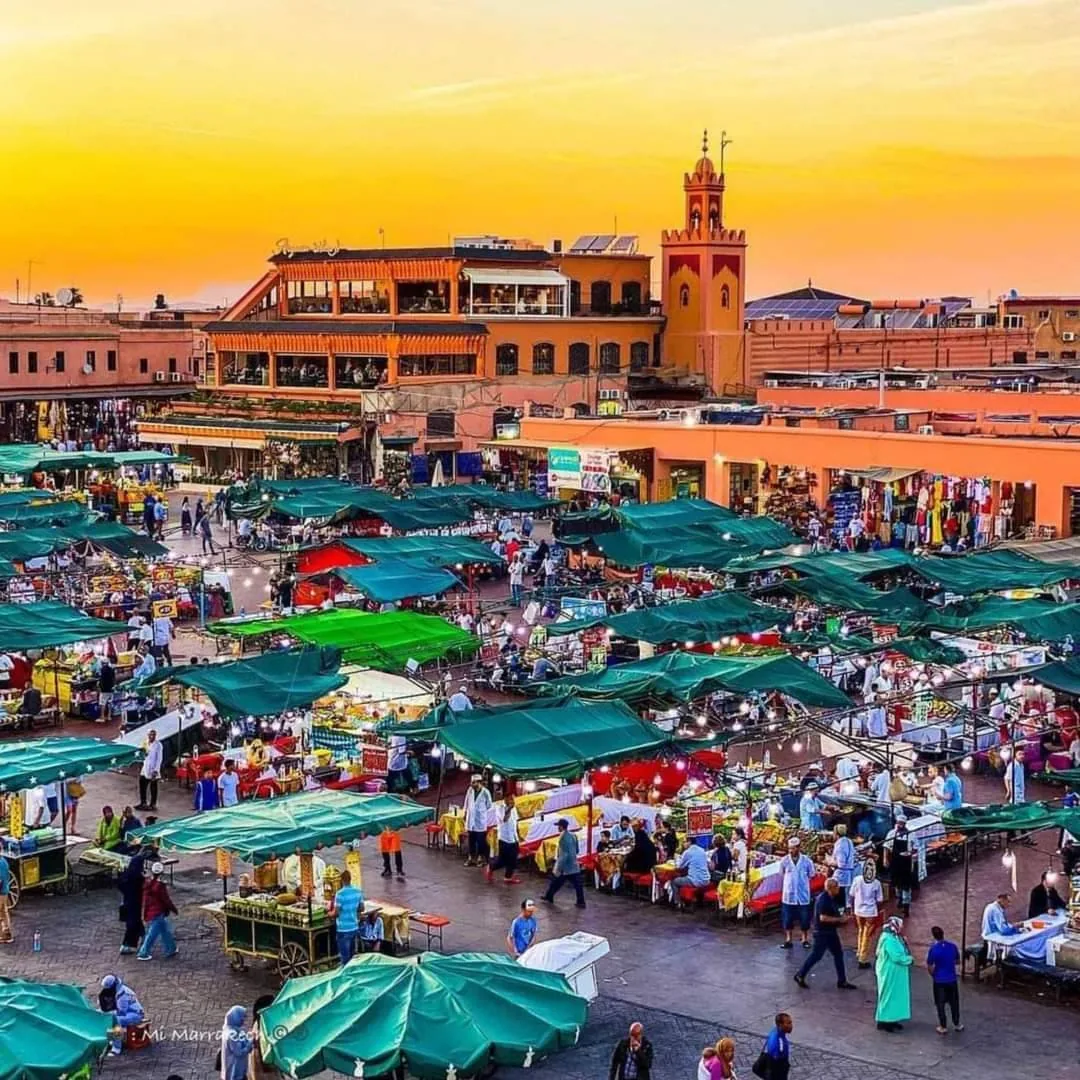
La ville rouge est généralement sûre de jour comme de nuit dans les places principales et les rues touristiques. La médina est un labyrinthe, mais un labyrinthe animé et peuplé. Restez dans les ruelles fréquentées après la tombée de la nuit, gardez vos objets de valeur en sécurité, et tout ira bien. La place Jemaa el-Fnaa s'anime chaque soir avec ses conteurs, musiciens et étals de nourriture — un spectacle magique en toute sécurité.
Fes
Fès possède la plus grande médina médiévale fortifiée du monde, et y naviguer seul peut être désorientant — mais pas dangereux. Un guide licencié ici vaut chaque dirham, non pas pour la sécurité, mais parce que vous verrez dix fois plus des trésors de la ville.
Chefchaouen
La ville bleue de montagne est sans doute la destination la plus sûre et la plus détendue du Maroc. Les familles se promènent dans ses ruelles le soir, les touristes sont plus nombreux que les locaux dans la vieille ville, et l'ensemble ressemble à un rêve paisible. Parfait pour les voyageurs solo qui veulent commencer en douceur.
Essaouira
La ville battue par les vents de la côte atlantique a un rythme doux et lent. Très peu de tracas par rapport à Marrakech. Le port de pêche, les remparts, les galeries d'art — un coup de cœur pour les voyageurs qui ont trouvé Marrakech trop intense.
Le Sahara (Merzouga & Zagora)
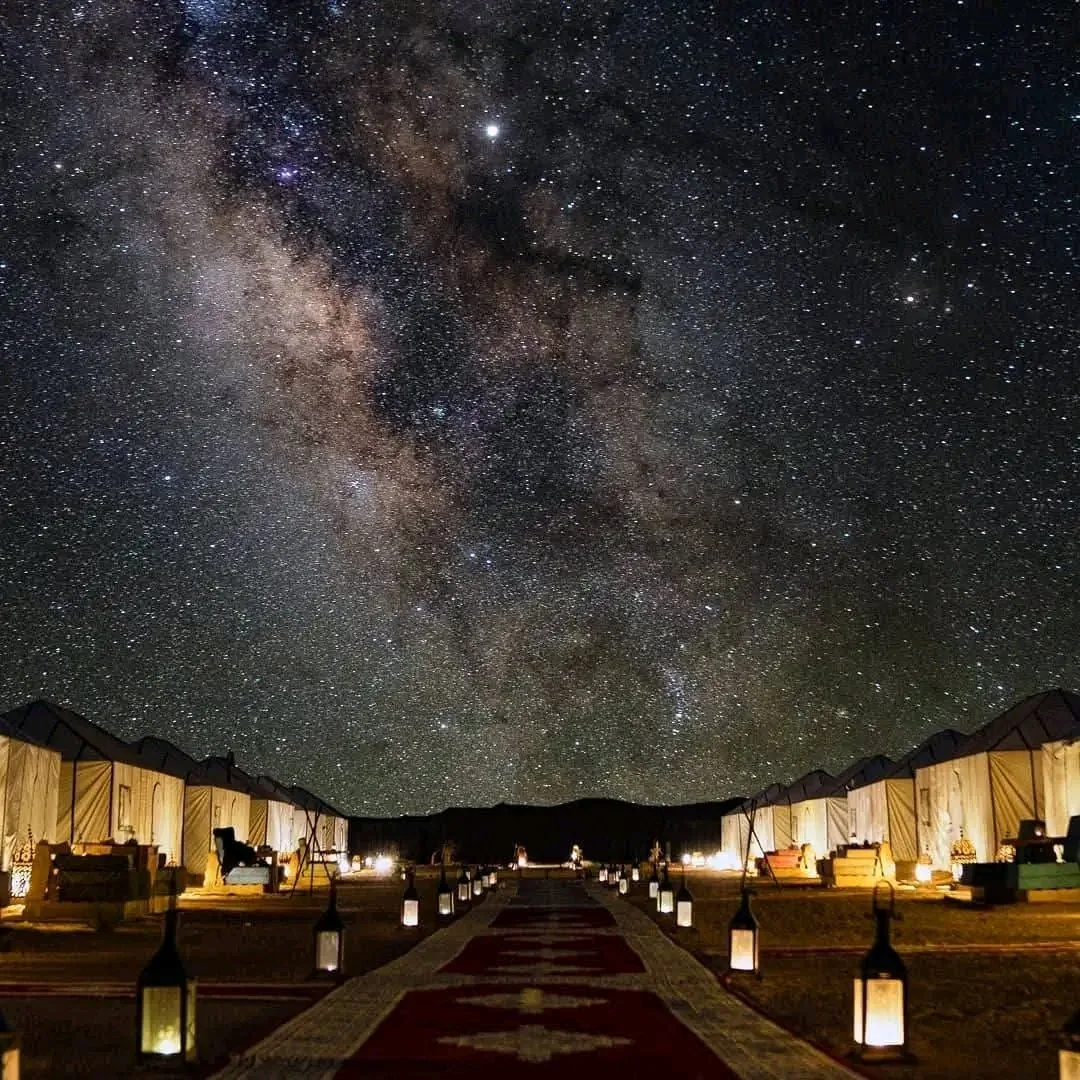
Le désert est exceptionnellement sûr. Vous serez avec des guides berbères dans des camps établis qui accueillent des voyageurs depuis des années. Les plus grands risques ici sont logistiques (déshydratation, températures extrêmes) plutôt qu'humains — et tout opérateur sérieux les gère parfaitement.
Voyageuse solo : à quoi vraiment s'attendre
C'est la question qu'on nous pose le plus souvent, et nous y répondrons honnêtement : voyager seule au Maroc est tout à fait possible, mais cela demande plus de vigilance qu'au Portugal ou au Japon. Des milliers de femmes voyagent seules au Maroc chaque année et y vivent des expériences transformatrices. Vous pourriez cependant rencontrer :
- Du sifflement et de l'attention non désirée dans les rues fréquentées — frustrant mais presque toujours verbal plutôt que physique.
- Des vendeurs persistants dans les souks qui acceptent mal le « non ».
- Des hommes proposant de vous « guider » vers des coins secrets — déclinez toujours poliment.
Habillez-vous modestement (épaules et genoux couverts dans les médinas), portez des lunettes de soleil pour minimiser le contact visuel avec les inconnus, marchez avec détermination comme si vous saviez où vous alliez, évitez les rues désertes après 22h et réservez un chauffeur de confiance pour les trajets entre villes. Un « la, shukran » (non, merci) ferme et clair, sans sourire, fait des merveilles.
La meilleure amélioration de sécurité pour les voyageuses solo est de s'associer à un guide local sérieux ou un chauffeur privé. Il ne s'agit pas d'être incapable de voyager seule — c'est éviter les petits tracas quotidiens pour vraiment profiter du pays.
Arnaques courantes et comment les éviter
Connaître ces arnaques à l'avance élimine 95% des tracas. Aucune n'est dangereuse — la plupart sont juste des pertes de temps agaçantes.
Le faux guide « serviable » de la médina
Quelqu'un vous aborde et vous dit que la rue vers laquelle vous vous dirigez est fermée, ou qu'un marché berbère se termine aujourd'hui, ou que votre hôtel est « par là ». Il vous emmènera quelque part — généralement une boutique où il touche une commission. La solution : déclinez poliment toute aide non sollicitée, continuez à marcher, et utilisez la carte de votre téléphone (Google Maps et Maps.me fonctionnent bien dans les médinas).
La tannerie « visite gratuite »
À Fès et Marrakech, un homme sympathique vous propose une visite « gratuite » des tanneries. À la fin, on vous pousse à acheter des articles en cuir à prix gonflés. La solution : les tanneries sont visibles gratuitement depuis n'importe quelle terrasse-boutique alentour. Vous n'avez pas besoin de « guide ».
Le compteur de taxi « cassé »
Un chauffeur de petit taxi insiste pour dire que son compteur est cassé et annonce un prix trois fois plus élevé que le vrai tarif. La solution : insistez poliment sur le compteur (« compteur, s'il vous plaît ») ou descendez et hélez-en un autre. Il y en a des centaines.
Faux safran & huile d'argan
De la soie de maïs colorée vendue comme safran, et de l'huile cosmétique vendue comme argan culinaire. La solution : achetez auprès de coopératives établies recommandées par votre guide ou hôtel, pas auprès de vendeurs ambulants.
L'embuscade au henné
Des femmes à Jemaa el-Fnaa attrapent votre main et commencent à appliquer du henné avant que vous puissiez refuser, puis exigent un paiement. La solution : gardez vos mains dans les poches ou croisées, et ne croisez pas le regard de quelqu'un qui porte un cône de henné.
Presque toutes les arnaques marocaines commencent par quelqu'un qui vous aborde. Si vous n'avez pas initié l'interaction, soyez poliment sceptique. La vraie hospitalité marocaine — et elle est extraordinaire — se vit dans les boutiques, restaurants, riads et foyers. Pas au milieu de la rue.
Santé & cuisine en toute sécurité
La gastronomie marocaine est l'une de ses plus grandes joies, et la plupart des voyageurs mangent avec bonheur sans souci. Quelques conseils pratiques :
- Eau du robinet : les Marocains la boivent ; la plupart des visiteurs préfèrent l'eau en bouteille les premiers jours pour s'habituer.
- Cuisine de rue : ça vaut clairement le coup — mais choisissez les étals à fort débit, longues files de locaux, et nourriture cuite devant vous.
- Salades & crudités : OK dans les restaurants établis, plus risquées dans les cafés de bord de route.
- Jus frais : une institution marocaine, généralement sûrs ; vérifiez juste les glaçons si vous êtes très prudent.
Les pharmacies (pharmacies de garde) sont partout et bien achalandées. La plupart des pharmaciens parlent français et souvent anglais. Pour quelque chose de sérieux, les cliniques privées de Marrakech, Casablanca et Rabat offrent des soins aux standards occidentaux.
Sécurité des transports
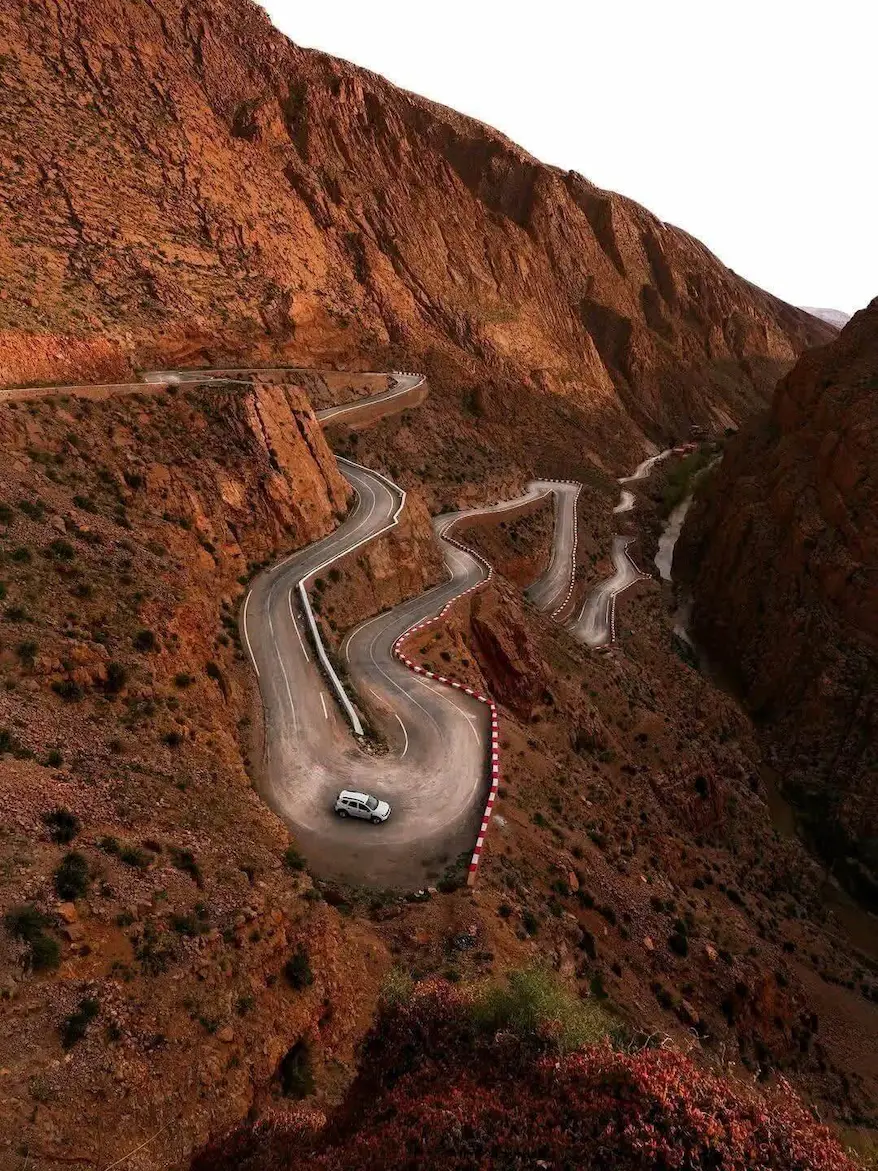
Les routes marocaines varient énormément en qualité. Les autoroutes reliant Casablanca, Rabat, Marrakech et Fès sont excellentes. Les routes de montagne dans l'Atlas et le Rif sont plus étroites, avec des virages en épingle et parfois du bétail. C'est là que votre choix de chauffeur compte le plus.
Nous déconseillons fortement de conduire vous-même pour une première visite, non pas parce que c'est dangereux en soi, mais parce qu'un chauffeur marocain connaît les règles tacites des ronds-points, ruelles de médinas et cols de montagne. Un chauffeur coûte moins cher qu'on ne le pense et vous libère pour vraiment regarder par la fenêtre.
Les trains (ONCF) entre grandes villes sont modernes, sûrs et confortables — le TGV Al Boraq entre Tanger et Casablanca est de niveau mondial. Les bus interurbains (CTM et Supratours) sont le choix fiable face aux grands taxis informels.
L'étiquette culturelle vous protège aussi
Beaucoup d'« incidents » rapportés par les touristes proviennent en fait de faux pas culturels. Quelques marques de respect vous valent énormément de bienveillance :
- Habillez-vous modestement en dehors des plages et piscines — épaules et genoux couverts dans les médinas, mosquées et villages.
- Demandez avant de photographier les gens, surtout les femmes et en zones rurales. Un sourire et un geste vers votre appareil suffisent souvent.
- Utilisez votre main droite pour manger, donner et recevoir. La gauche est considérée impure.
- Pendant le Ramadan, évitez de manger, boire ou fumer visiblement en public pendant la journée par respect.
- Les non-musulmans ne peuvent pas entrer dans la plupart des mosquées (Hassan II à Casablanca est une exception notable). Ne le prenez pas personnellement — admirez depuis l'extérieur.
Foire aux questions
Est-ce sûr de voyager au Maroc actuellement en 2026 ?
Oui. Le Maroc reste politiquement stable et le tourisme a totalement repris. Tous les principaux gouvernements occidentaux le classent au niveau de vigilance standard. Vérifiez les recommandations de votre propre gouvernement avant de réserver pour les dernières informations.
Le Maroc est-il sûr pour les voyageurs LGBTQ+ ?
Soyons honnêtes : les relations entre personnes de même sexe sont techniquement illégales selon la loi marocaine, bien que les poursuites contre les touristes étrangers soient extrêmement rares. Les voyageurs LGBTQ+ visitent régulièrement le Maroc et y passent de merveilleux séjours, mais évitez les démonstrations d'affection en public. La discrétion est de mise.
Puis-je boire de l'alcool au Maroc ?
Oui, dans les restaurants licenciés, les hôtels, les bars et les boutiques dédiées (les supermarchés Carrefour vendent de l'alcool dans un rayon séparé). Ne buvez pas dans la rue ou en vue des mosquées. Le vin marocain et la bière locale sont étonnamment bons.
Ai-je besoin d'une assurance voyage pour le Maroc ?
Absolument, comme pour tout voyage international. Assurez-vous qu'elle couvre l'évacuation médicale, car certaines régions reculées (Sahara, Haut Atlas) sont à des heures des grands hôpitaux.
Quel est le numéro d'urgence au Maroc ?
Composez le 19 pour la police en ville, 177 pour la Gendarmerie royale en zones rurales, et 15 pour les urgences médicales. La Police touristique est joignable via n'importe quel commissariat et prend les cas d'étrangers au sérieux.
Nous avons guidé plus de 3 000 voyageurs à travers le Maroc. Notre équipe familiale amazighe construira votre itinéraire parfait — gratuit, sans engagement.